The Quiet Work of Love: How to Sustain a Healthy Relationship
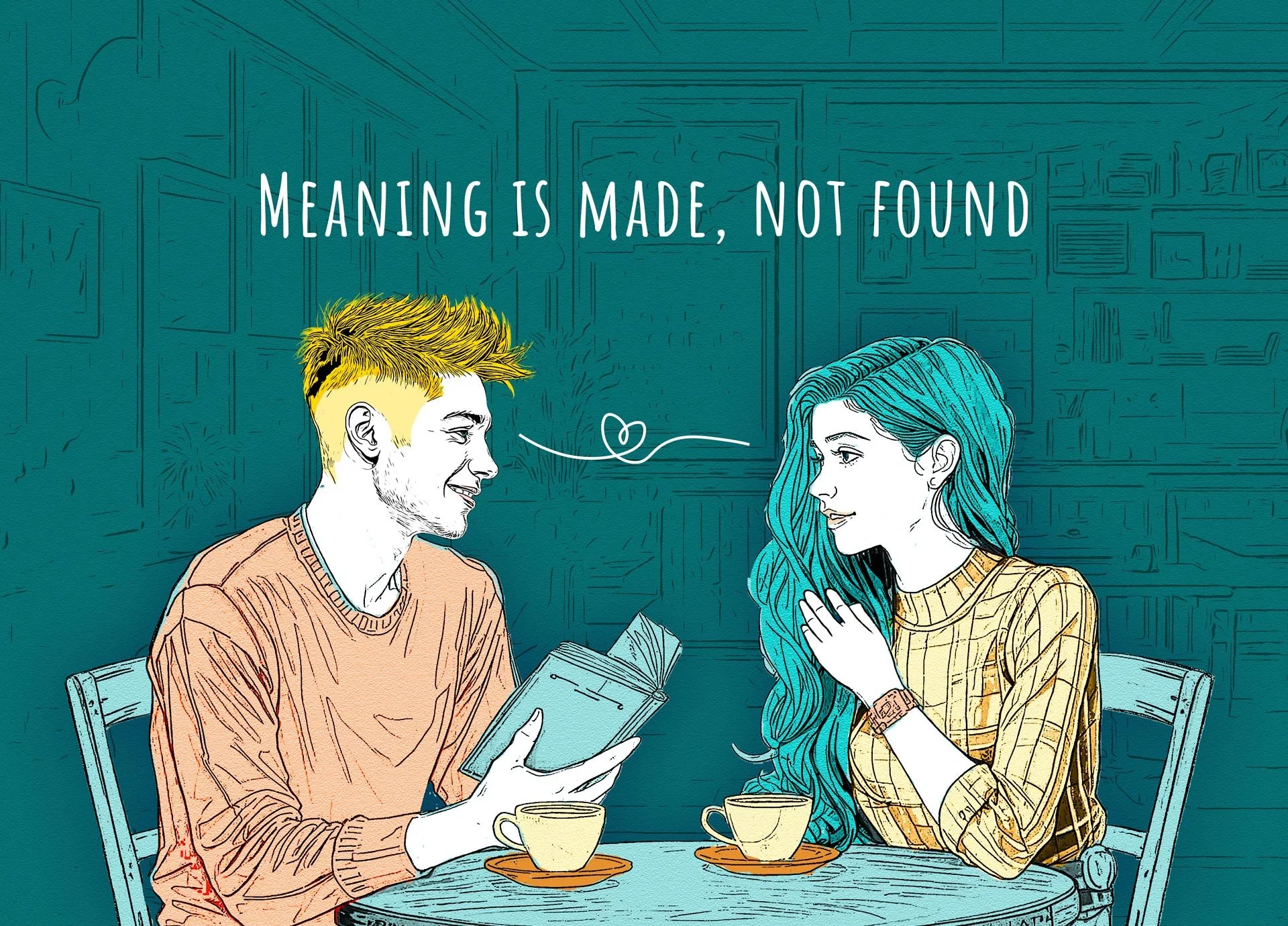
Every relationship is made up of two people. And those two people both contribute to the wellbeing of the relationship - and, at times, to its struggles. It always takes two for a quarrel, and often it is difficult, if not impossible, to untangle who started what, and when.
Maintaining a healthy relationship is, in many ways, simple - but it is not easy. It asks something honest and ongoing of us. Especially in long-term partnerships and marriage, the question is not whether challenges will arise, but how we meet them. What, then, are the most difficult struggles in a relationship - and how can we meet them with kindness, maturity, and care?
A Relationship Begins With the Person You Bring Into It
From my perspective, I am often surprised by how small things can grow into conflicts, quarrels, and lasting negativity. Very often, the issue is not the event itself, but the inner state we bring into it.
There is one essential foundation for a happy relationship: you yourself must be working toward being a happy and stable person. A relationship - or a marriage - is not a mere transaction, even though there is, of course, a practical and economic side to life together. That part is necessary, but it is only the groundwork.
A relationship is about more than what you receive. It is about what you bring. It is about exuding joy, calm, and goodwill, and allowing that inner state to gently reach the other person. It’s about creating lasting quality experiences together. When a relationship becomes focused only on what we can get, it slowly loses its warmth. When it is about what we can contribute, it grows lighter, stronger, and more resilient.
Love Is Active Work - But It Should Feel Light
A relationship, and especially a marriage, is an active form of care. It requires time, attention, and emotional presence. Yet it is not meant to feel heavy or dreadful. At its best, it feels joyful, playful, and alive.
We can only experience a relationship this way when our own nature becomes lighter as well. When we are less burdened by resentment and emotional heaviness, love feels less like labor and more like shared movement.
So what does it mean to have a “pure” or lighter nature?
Most of us know the opposite feeling very well. Negativity, sadness, and emotional heaviness can feel as though they cling to the mind and body. They block the free flow of expression and vitality. They strain our nerves, tighten our emotions, and cloud our interactions. In that sense, negativity behaves very much like a toxin - one that affects not only us, but also those closest to us.
Understanding Emotional Toxicity Without Blame
Negativity is rarely rational or logical. It does not dissolve simply because we understand it intellectually. Emotional toxicity is often an unconscious reaction - habits learned over time, shaped by environment, upbringing, and repeated experiences.
Many of these reactions were not chosen deliberately. They were absorbed. But when they go unexamined, they begin to harm us and our relationships. If we do not bring awareness to them, they quietly grow stronger.
Toxicity, at its core, is not about being a “bad person.” It is about carrying unprocessed emotions and habits without working on them. When we see ourselves only as passive receivers of feelings, we give away our agency. And when we do that, our environment - news, drama, conflict, unrealistic expectations - begins to shape us more than we shape ourselves.
Choosing peace and joy is not naive. It is a conscious decision. And while it is true that many influences in our early life were beyond our control, there comes a point in adulthood when responsibility gently shifts. From that point on, growth may be slow and imperfect - but it is possible, and it belongs to you.
Three Inner Struggles That Quietly Damage Relationships
Rather than blame, it helps to name what most often undermines healthy relationships:
First: a lack of self-control
When adults give in entirely to impulses - reacting immediately, demanding instant compliance, disregarding others’ time and perspective - relationships suffer. Self-moderation is not suppression; it is maturity. It is learning to pause between emotion and action.
Second: unexamined emotional defensiveness
When someone spreads negativity or emotional tension and then feels deeply attacked when this is gently pointed out, roles become confused. Responsibility turns into victimhood. This pattern quietly erodes trust and safety in relationships.
Third: a lack of empathy
Disregarding rare clinical cases, most people are capable of empathy. When it is missing, it usually signals emotional overload or an inflated focus on the self. A healthy relationship - especially marriage - depends on the ability to see, feel, and respect the inner world of another human being.
These traits are not permanent identities. They are habits. And habits can be changed or learnt.
Choosing Growth: Practical Ways to Cultivate Love and Stability
So how do we begin to change?
First: acknowledge that change is possible
Growth begins with the simple but powerful belief that you are capable of shaping your own behavior. Without this belief, all effort feels pointless, because you see yourself only reacting to circumstances of your life. You have to shift your perspective to give yourself the power to change.
Second: practice self-control gently and consistently
Self-control does not mean perfection. It means creating a pause - a breath, a moment of reflection - before reacting. That pause gives you the power of choice. And choice restores dignity and calm. Whenever you want to react to something that bothers you in the moment, keep quiet for a while and give yourself the time necessary to decide your proper course of action. By cultivating this habit you become an ever more conscious person and your reactions become consious actions - a stark improvement of your mental strength.
Third: release the victim role
As awareness grows, we stop playing those unconscious psychological games of manipulation and personal grievance. We become less reactive, less defensive, and more grounded. This shift alone can transform your and your marriage for the better.
Finally, consciously choose love, joy, and peace
At the end of the day, no one is really forcing you to choose negativity. Over time, repeated small choices shape your emotional nature and make unhealthy habits lose their grip. Then, space opens - for connection, warmth, and genuine intimacy.
Quiet Inner Work
A healthy relationship is not sustained by grand gestures alone, but by quiet inner work. By learning self-control, cultivating empathy, and choosing awareness over impulse, we not only heal ourselves - we create a safer, kinder space for the person we love.
And when that space opens, something subtle but powerful happens. Conversations soften. Conflicts lose their sharp edges. Joy returns in small, unexpected ways. This is not magic in the dramatic sense - but it is transformation. And it begins, always, with the choice to grow.
